
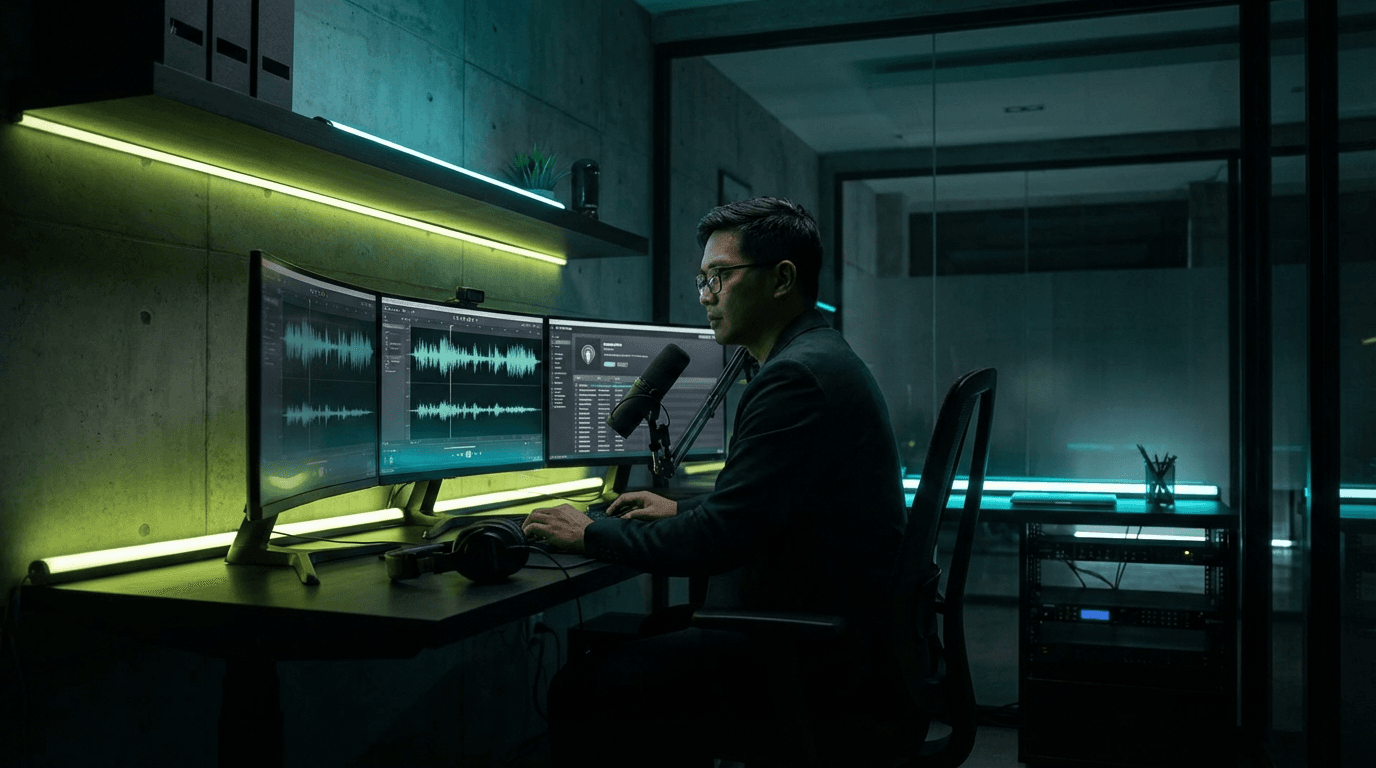

Podcast Virtual Assistant: Grow Your Audience and Streamline Production
There are 4 million podcasts out there. Last year, podcast ad revenue hit $1.6 billion. If you're building a show, you're competing in a crowded field—and most creators lose because they're drowning in admin work instead of recording.
A podcast virtual assistant fixes that. I've been hiring offshore talent for 13 years, and I've watched VAs unlock the best creators—the ones who stay consistent, release on time, and actually promote their work. If you're serious about growing an audience, this hire pays for itself fast.
What is a Podcast Virtual Assistant?
A podcast VA is a remote professional who handles the work that doesn't require your voice or your unique perspective. Guest coordination, audio editing, show notes, RSS publishing, social scheduling, analytics—they own it. They're not replacing you. They're buying back your time so you can focus on the content that actually builds your audience.
Why a Podcast Virtual Assistant Matters
Here's what I see happen: a creator records 20 episodes, then burns out because they're also editing, uploading, writing captions, responding to emails, and trying to promote. The show goes dark. It's a waste.
A good VA changes that math. High-production-quality shows get perceived as more credible. Listeners stick around. But you can't deliver consistent quality when you're managing everything solo. That's the real problem—not the competition, but your own bandwidth.
Key Tasks and Responsibilities of a Podcast Virtual Assistant
Here's what you can hand off:
- Guest research and scheduling: Finding guests, managing calendars, handling pre-interview prep.
- Audio editing: Cleaning up recordings, removing dead air, normalizing levels in Audacity or Adobe Audition.
- Publishing: Uploading to Libsyn or Podbean, managing RSS feeds, writing show notes.
- Transcriptions: Getting episodes transcribed for accessibility and searchability.
- Social and promotion: Creating clips, writing captions, scheduling posts across TikTok, YouTube Shorts, LinkedIn, Instagram.
- Analytics: Tracking listener stats, identifying what content resonates, spotting trends.
How to Hire a Podcast Virtual Assistant
The hiring process is straightforward:
- Define what you actually need. Don't hire for everything. Start with the task that's killing you—usually editing or guest coordination.
- Post a clear job description. List the specific tasks, tools they'll use (Audacity, Trello, Asana), required turnaround times, and any must-haves.
- Look where the talent is. Upwork, Freelancer, or specialist VA platforms. ShoreAgents can do the matching for you if you want vetted candidates.
- Test before committing. Give them a small project—edit one episode, schedule one week of social posts. See how they work, whether they ask clarifying questions, whether the output matches your standard.
- Start part-time. 10–15 hours per week is a good test window. Scale up once you trust them.
Cost Considerations
Podcast VA rates vary by experience and location. In the US or UK, you'll pay $25–$50+ per hour. Filipino VAs with solid podcast experience typically charge $12–$18 per hour, and with the AUD-PHP exchange rate, you get professional, reliable work at a fraction of the cost.
Budget wisely. A full-time VA costs $2,000–$3,000 USD per month in the Philippines—less than one mid-level specialist in Sydney. And if you're serious about growing your show, the return is real: more consistent uploads, better audio, better promotion, faster growth.
Why Choose a Filipino Podcast Virtual Assistant?
I've been hiring from Clark, Philippines since 2019. The talent pool is deep—English is widely spoken, the work ethic is strong, and the cost structure makes it possible to hire dedicated, full-time support without going broke.
Filipino professionals understand accountability. They're used to working with Australian and American standards. And they're familiar with the tools—Audacity, Asana, Slack, everything you're using. ShoreAgents specializes in matching creators with Philippines-based VAs who get podcasting. No time zone drama, no language barriers, real professionalism.
Tools to Support Your Workflow
Whatever you hire, make sure you're both using the same toolset:
- Recording: Zoom for remote interviews. Riverside for easy local + remote recording and editing.
- Editing: Audacity (free, reliable). Adobe Audition if you can budget for it.
- Transcription: Rev or Temi for fast, accurate transcripts. Worth the cost for accessibility and searchability.
- Project management: Asana or Trello to keep both you and your VA aligned on deadlines and tasks.
- Social scheduling: Buffer or Hootsuite. Batch your social content once a week; let the tool distribute it.
The Real Outcome
Hiring a podcast VA isn't a luxury—it's how you stay consistent. The creators I know who've scaled are the ones who delegated early. They focus on recording and strategy; their VA handles everything else. That's why they're releasing 50 episodes a year instead of 10.
Ready to scale your show? Start with a part-time VA. Define one clear problem you want solved. Test the hire for a month. If it works, keep them. You'll be amazed at what you can do when you have your time back.
ShoreAgents can help you find a vetted podcast VA in the Philippines. Get started here, or check our pricing options to find a fit for your budget.
Ready to Hire Your general Assistant?
Get matched with pre-vetted general VAs in 24 hours. Transparent pricing, no hidden fees.
Related Articles
HubSpot Virtual Assistant: Grow Your Business with Expert Support
500+ VAs placed. CRM teams waste hours on data entry. HubSpot VA runs your pipeline, cleans data, frees your sales team to close deals. Clark, Philippines.
How to Delegate Your CRM to a Virtual Assistant: A Step-by-Step Guide
Stop wasting time on CRM data entry yourself. We place Filipino VAs to handle records & follow-ups for $15–25/hr. 500+ placements since 2019. Results in days.
Dedicated vs Shared VA: Which Virtual Assistant Model is Right for You?
500+ VAs placed, and most shared-VA hires end up frustrated. Here's why dedicated works: one person learns your business, stays invested, costs way less.